Black and White Flower Illustrations: A Timeless Design Asset
There's an enduring elegance in the simplicity of a black and white floral motif. It speaks a universal language of nature, art, and sophistication without the distraction of color. Black and white flower illustrations are more than just clipart; they are versatile design assets that can anchor a brand, elevate a publication, and add a handcrafted touch to countless projects. This collection offers a curated suite of botanical elements—from delicate leaves and swirling vines to bold, standalone blooms—all rendered with the authentic charm of hand-drawn artistry.
The Visual Character of Hand-Drawn Botanicals
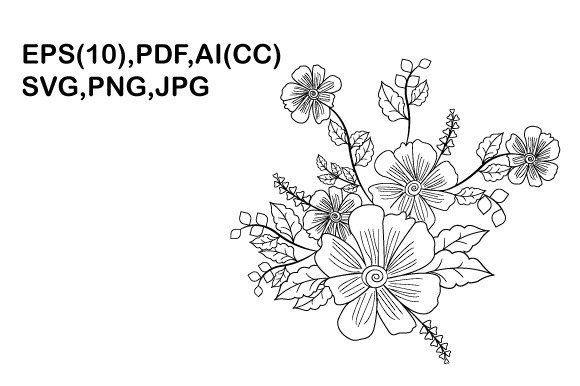
The personality of this collection lies in its hand-drawn quality. You can see the subtle variations in line weight, the imperfect curves of a petal, and the organic texture of a sketched herb. This isn't sterile, vector-perfect art; it's illustration with a human touch. The style bridges the gap between vintage botanical prints and contemporary minimalist design. It feels both classic and fresh, making it suitable for projects that need to convey authenticity, artistry, or a connection to the natural world.
The monochromatic palette is its greatest strength. Without color, the focus shifts entirely to form, composition, and line work. This makes the illustrations incredibly adaptable. They can serve as a subtle background texture, a crisp foreground element, or a standalone graphic design feature. The high-contrast nature ensures they remain impactful whether printed on textured paper or displayed on a bright screen.
Where These Floral Elements Truly Shine
The practical applications for a collection like this are vast. For brand identity work, these illustrations can form the cornerstone of a visual system. Imagine a logo design for a boutique florist, a wellness brand, or a craft bakery, where a single, elegant flower becomes the recognizable mark. They are perfect for creating cohesive packaging design—think labels for artisanal goods, patterns for shopping bags, or sleeves for coffee cups. The instant download provides the design assets needed to build a professional and unified look.
In the realm of editorial design and publishing, the value is clear. These elements can enhance book cover designs for novels, poetry collections, or gardening guides. They add visual interest to magazine layouts, chapter headings, and pull quotes without overwhelming the typography. For web design, they can be used as decorative borders, section dividers, or background patterns that add depth and character to a site.
For entrepreneurs and content creators, the utility extends to social media graphics and merchandise. A floral swirl can frame a quote on an Instagram post. A bold botanical print can become a best-selling t-shirt design or a pattern for stationery and invitations. The included file formats—SVG, PNG, PDF, JPG, EPS—ensure you have the right tool for every job, from high-resolution art prints to scalable vectors for large-format signage.
Integrating Illustrations into Your Design Workflow
Choosing to use black and white flower illustrations is a strategic decision that influences more than just aesthetics. They contribute to visual hierarchy by providing a natural resting point for the eye or drawing attention to a key piece of information. In a crowded layout, a well-placed floral element can improve readability by creating clear sections and breaking up dense text blocks.
From a brand perception standpoint, the consistent use of these hand-drawn elements fosters a sense of professionalism and intentionality. It tells your audience that every detail has been considered. This consistency across your website, social media, and printed materials builds recognition and trust. The organic, approachable style can also increase audience engagement, making your content feel more personal and less corporate.
Practical Guidance for Selection and Use
When evaluating a collection like this, consider the breadth of the library. Does it include a variety of components—full flowers, single petals, leaves, branches, and decorative swirls? This variety is crucial for creating unique compositions and avoiding repetitive designs. Review the font pairing possibilities. A strong serif or sans-serif typeface often pairs beautifully with these illustrations, creating a balanced contrast between the structured text and the organic graphics.
Always test the elements in context. Place a floral swirl next to your body copy. Does it enhance or compete? Use a transparent PNG on a colored background to check contrast. The 300 dpi resolution is standard for print, but always verify the quality at the size you intend to use. Finally, understand the commercial licensing. This collection is provided for both personal and commercial use, freeing you to apply it to client projects, products for sale, and promotional materials without legal ambiguity. This makes it a reliable, long-term asset for any creative professional's toolkit.