Spring Gentian Floral Illustrations: Vintage Botanical Art for Modern Projects
Finding the right visual asset for a project can feel like searching for a specific flower in a vast meadow. You need something with character, quality, and versatility. This is where a resource like the Spring Gentian Floral Illustrations collection becomes invaluable. It's more than just a pretty picture; it's a thoughtfully prepared digital design asset that bridges the gap between historical artistry and contemporary creative needs. The collection centers on the Gentiana verna, a perennial plant known for its striking, intensely blue, star-shaped flowers—a subject that has captivated botanical artists for centuries.
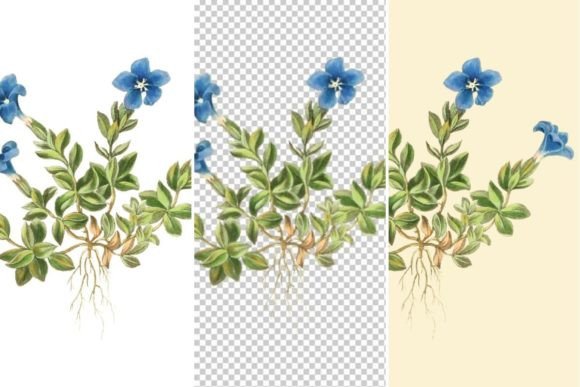
The core of this offering is a set of three high-resolution files. You receive a PNG image with a transparent background, perfect for layering into complex designs without any awkward white borders. There are also two JPG versions: one on a clean white background and another on a subtle vintage texture. Each file is formatted at 8.5 x 11 inches (letter size) at 300 PPI, ensuring crisp results for both printing and high-quality digital reproduction. This format makes it a versatile handcoloured botanical illustration, ready for immediate use in a wide array of contexts.
The Visual Character: More Than Just a Flower
What defines the personality of these Spring Gentian Floral Illustrations? The style is rooted in traditional botanical illustration, a discipline that values accuracy, detail, and beauty. The lines are clean and deliberate, capturing the delicate veining of the petals and the sturdy form of the stems and leaves. The coloring is handcoloured in appearance, with a natural, slightly subdued palette that avoids the flat, synthetic look of modern clipart. This gives the artwork a sense of authenticity and timelessness. It doesn't shout; it communicates a quiet sophistication and an appreciation for the natural world.
This vintage image aesthetic is its greatest strength. It carries the weight of history and craftsmanship, which can instantly elevate a project's perceived value. Unlike a generic stock photo, this illustration has a story. It feels curated, intentional, and personal. The ornamental plant is rendered not just as a specimen, but as an object of beauty, making it a powerful tool for adding depth and narrative to your designs.
Practical Applications Across Creative Fields
The true test of any design asset is its utility. How can these Spring Gentian Floral Illustrations serve your specific goals? The answer lies in their remarkable flexibility, thanks to the multiple file formats provided.
For Digital Designers and Content Creators
The transparent PNG is your workhorse. Bloggers and social media managers can use it to create engaging graphics, add a natural accent to quotes, or design unique Pinterest pins. Web designers can incorporate it as a subtle hero image element or a decorative divider. The illustration works beautifully as a standalone feature or as part of a larger floral collage. For those creating social media graphics, it offers a distinct alternative to overused floral motifs, helping to establish a more refined and recognizable visual brand.
For Print and Physical Products
The high-resolution JPGs are print-ready. Entrepreneurs and small business owners can use them to design elegant packaging for artisanal goods, create stationery sets, or develop print materials like brochures and business cards that stand out. The vintage background JPG is particularly suited for projects where a classic, textured feel is desired, such as wedding invitations, book covers, or editorial design layouts. Crafters and hobbyists will find it ideal for scrapbook pages, handmade cards, and mixed-media art projects, adding a professional touch to personal creations.
For Branding and Marketing
Consistency is key in branding. A brand seeking to convey values like natural beauty, artisanal quality, heritage, or tranquility could integrate this Gentiana verna illustration across its brand identity. It could become a recurring visual element in packaging, a subtle watermark on documents, or a featured graphic in email newsletters. This approach builds a cohesive and memorable aesthetic that resonates with audiences who appreciate detail and authenticity. It’s a strategic way to use design assets to tell a brand's story.
Making the Most of Your Illustration
To integrate this asset effectively, consider a few practical points. First, think about scale. As a detailed illustration, it commands attention. In a busy layout, it might serve best as a focal point. In a minimalist design, it can provide a necessary touch of organic complexity. Second, consider color harmony. While the illustration has its own palette, you can adjust its tones in editing software to better match your project's color scheme, or use it as inspiration for your entire palette.
When pairing this botanical illustration with typography, opt for fonts that complement its style. A clean, modern sans serif font can create an appealing contrast, letting the illustration's detail shine. A classic serif font or a elegant script font can enhance the vintage feel. Avoid overly ornate or playful fonts that might compete for attention. The goal is a harmonious balance where the illustration and text support each other.
Finally, always consider the context of your project. This illustration is a premium font equivalent in the image world—it's a specialized, high-quality tool. It excels in projects that value artistry and detail. For a corporate tech startup, it might feel out of place. For a boutique hotel, a botanical skincare line, a nature journal, or a wedding planner, it could be the perfect defining element. By matching the asset's inherent personality with your project's goals, you move from simply using an image to making a strategic design choice that enhances communication and engagement.