Unlocking Enchantment: Using Magic Book Illustrations & Clip Art
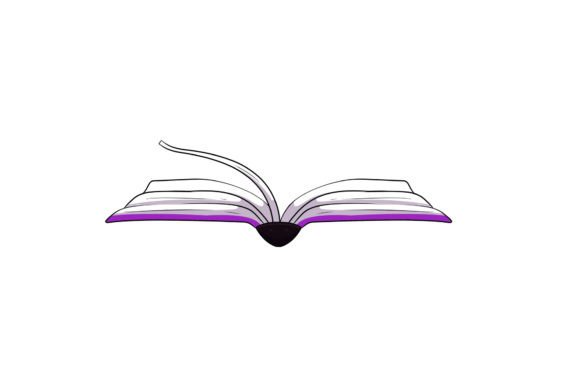
There is a specific kind of challenge that designers and content creators face when trying to convey a narrative that feels both classic and otherworldly. We often struggle to find assets that capture the essence of storytelling without looking like generic stock images. When you are working on a project that requires a sense of mystery, fantasy, or vintage intellectualism, standard stock photography often falls flat. This is where the value of high-quality Magic Book Illustrations & Clip Art becomes apparent. These assets are not just decorative elements; they are foundational pieces for building a world within your design. They provide the visual shorthand for knowledge, adventure, and the supernatural.
When you acquire this specific set, you are investing in versatility. The package includes 3x Digital Files with a generous 1920px x 1280px Canvas Size. This resolution is substantial enough for high-definition web displays, video backgrounds, and even print materials at a reasonable scale. You receive the design in three critical formats: 1 PSD File, 1 JPG File, and 1 PNG File. The inclusion of the PSD file is particularly important for professionals, as it allows for layered editing in Adobe Photoshop, enabling you to isolate elements, adjust colors, and integrate the illustrations seamlessly into your unique brand identity.
The Visual Language of the Arcane
Understanding the personality of these illustrations is key to using them effectively. They typically evoke a style that blends vintage engraving techniques with modern digital art clarity. The visual characteristics often include intricate line work, sepia or muted earth tones, and a focus on objects associated with knowledge and magic—open tomes, floating letters, candle wax, and celestial symbols. This style functions similarly to a premium font or a serif font in typography; it suggests history, authority, and gravity.
Unlike a modern, clean sans serif font which suggests efficiency and minimalism, these illustrations lean toward the ornate. They possess the fluidity of a script font or handwritten font, suggesting a personal, human touch. If you are building a visual hierarchy, these assets serve as the anchor. They draw the eye and establish the mood immediately. For a designer, this is similar to selecting a display font for a headline—it sets the stage before the audience even reads a single word of copy.
Strategic Applications for Creators and Businesses
The practical application of Magic Book Illustrations & Clip Art spans a wide range of industries. For entrepreneurs and small business owners, particularly those in the education sector, publishing, or niche crafts, these assets are invaluable.
- Editorial Design & Publishing: If you are a blogger or publisher, these illustrations can break up long blocks of text, making articles more digestible. They work exceptionally well as hero images for articles about history, literature, or self-improvement.
- Packaging Design: For products like artisanal coffee, tea, or handmade journals, the vintage aesthetic of the art adds a layer of perceived value. It suggests that the product inside is crafted with care, much like the modern typography trends that favor artisanal authenticity.
- Social Media Graphics: Content creators and marketers can use these as backgrounds for quotes or promotional announcements. The texture of the illustration provides depth that a solid color background cannot achieve, increasing engagement and stopping the scroll.
- Logo Design & Branding: While you wouldn't necessarily use the entire illustration as a logo, elements from the clip art can be deconstructed to create unique design assets. A single key, a quill, or a book spine can become a recognizable icon for a brand.
Technical Execution and File Utility
One of the most practical aspects of this package is the inclusion of the PNG File. For crafters and hobbyists, a transparent background is essential. It allows you to overlay the magic book onto different textures—wood grain, stone, or fabric—without the hassle of masking. This is particularly useful for print-on-demand services or creating digital planners.
The JPG File is your workhorse for quick usage where file size might be a concern, such as email headers or web banners. However, the PSD File is where the professional value lies. Being able to edit the design assets means you can ensure color consistency across your brand identity. If your brand palette is cool blues rather than warm sepias, you can adjust the hue and saturation layers within the PSD to match your specific guidelines. This flexibility ensures that the illustrations serve your brand, rather than you having to adapt your brand to the art.
Ensuring Readability and Hierarchy
When incorporating these detailed illustrations into your layouts, you must pay attention to visual hierarchy. Because the art is often complex and rich in texture, it pairs best with cleaner typography. A heavy, ornate serif font might compete with the intricate details of the illustration, leading to a cluttered design.
Instead, consider pairing these illustrations with a sans serif font for body text. The simplicity of the typeface will allow the Magic Book Illustrations & Clip Art to shine as the focal point without overwhelming the reader. If you are using the image as a background, ensure your text has high contrast. You might need to apply a semi-transparent overlay or a drop shadow to your typography to maintain readability. This is a common technique in web design and social media graphics to ensure that the aesthetic appeal does not compromise the message's clarity.
Evaluating Fit for Your Project
Before integrating these assets, ask yourself about the narrative you are trying to build. Does your project require a sense of history or mystique? If you are a marketer promoting a SaaS product, the vintage book aesthetic might feel anachronistic unless you are specifically targeting a niche like "timeless solutions." However, if you are a publisher launching a new fantasy novel or a content creator discussing classic literature, the fit is natural and intuitive.
Think of these illustrations as a creative font. Just as you wouldn't use a script font for a technical manual, you wouldn't use these whimsical, arcane illustrations for a corporate banking report. However, for a wedding invitation with a "library" theme, a menu for a "Harry Potter" inspired event, or a header for a psychology blog discussing the "mind's library," they are the perfect commercial font equivalent in image form.
Ultimately, the goal of using Magic Book Illustrations & Clip Art is to evoke an emotional response. It is about transporting your audience to a place where knowledge is magical and stories come alive. By utilizing the provided PSD, JPG, and PNG files, you have full control over how that story is told, ensuring your final design is cohesive, professional, and deeply engaging.