Groovy Hippie Illustrations: A Fresh Take on Vintage Art
In a digital world that often feels sterile and uniform, there is a distinct hunger for design elements that feel human, textured, and organic. If you have found yourself scrolling through endless stock libraries looking for something that captures the warmth of the 1960s and 70s without looking dated or pixelated, you are likely searching for the right visual language. Enter Groovy Hippie Illustrations. This collection is not just a random assortment of retro graphics; it is a carefully curated set of vector art designed to bridge the gap between vintage nostalgia and modern digital requirements.
As a designer or business owner, your visual assets define how your audience perceives your brand. You need artwork that conveys a specific mood—peace, love, creativity, and freedom—while maintaining the professional standards required for high-resolution printing and crisp digital displays. This collection offers exactly that. It is built for those who want to inject a psychedelic, flower-power vibe into their projects without sacrificing technical quality.
Visual Characteristics and the Groovy Aesthetic
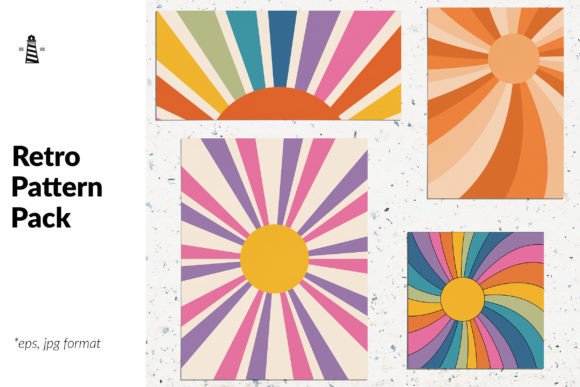
Understanding the visual DNA of these illustrations is key to using them effectively. The "groovy" style is defined by specific artistic choices that evoke a reaction. You will notice bold, flowing lines that lack the rigidity of modern geometric design. Instead, the forms are organic, mimicking nature and the human hand. The aesthetic often features central themes of peace signs, floral motifs, stylized typography, and whimsical characters.
The personality of Groovy Hippie Illustrations is undeniably expressive. It speaks a language of counterculture, relaxation, and artistic freedom. When you look at these images, you aren't just seeing shapes; you are feeling a vibe. The visual style relies on a certain "flow"—lines that connect and intertwine, creating a sense of unity and movement. This makes them particularly effective for designs that need to feel dynamic and alive rather than static and corporate.
However, it is the technical execution that makes this set a viable professional tool. Many retro designs found online are rasterized (pixel-based), meaning they break apart when you try to scale them for a large banner or a tiny business card. This collection, conversely, relies on vector mathematics. This ensures that whether you are designing a massive trade show backdrop or a delicate sticker, the integrity of the illustration remains intact.
Technical Specifications: What You'll Get
When you invest in a design asset, the file formats and technical specifications dictate how much work you will have to do in post-production. This collection is packaged to minimize friction in your workflow. You will receive 10 retro illustrations that are ready to deploy immediately.
The versatility of the delivery formats is a significant advantage. You are not locked into a single software ecosystem. The package includes:
- EPS (Encapsulated PostScript): This is the industry standard for vector graphics. It allows for infinite scalability, making it perfect for print production, large format signage, and detailed logo work. If you are using Adobe Illustrator or CorelDRAW, this is your primary file.
- AI (Adobe Illustrator): For those working natively in the Adobe ecosystem, the native AI file allows for direct editing of paths, colors, and layers. This is essential if you need to customize the illustrations to match a specific brand color palette.
- JPG (Joint Photographic Experts Group): For quick use in digital environments—such as social media posts, website banners, or presentations—high-quality JPGs are included. They require no special software to view and are ready for drag-and-drop usage.
Regarding dimensions and resolution, the assets are built for professional output. The size of one image is 12x12 inches. This square format is incredibly versatile for modern layouts, particularly for social media grids (like Instagram) or album cover art. Furthermore, all images are 300 dpi. This is the "magic number" for print resolution. It ensures that your designs will be crisp and clear with no jagged edges or blurriness when sent to a commercial printer, whether for t-shirts, posters, or packaging.
Strategic Applications for Modern Creators
While the aesthetic is vintage, the application should be modern. The versatility of these illustrations allows them to be used across a wide spectrum of industries. Here is how different professionals can leverage this style to enhance their work.
Branding and Identity
For small business owners, particularly in the wellness, holistic, music, or artisan food sectors, these illustrations can form the backbone of a brand identity. A "groovy" visual style suggests that a brand is approachable, creative, and perhaps eco-conscious. You can use these vectors to create custom patterns for packaging, design unique merchandise, or soften the look of a corporate brand that wants to appear more human.
Publishing and Editorial Design
In editorial design, particularly for magazines, blogs, and book covers, breaking up text-heavy pages is crucial. These illustrations serve as excellent spot illustrations or full-page features. They can act as visual "palettes" that give the reader's eyes a break while reinforcing the theme of the article. For publishers focusing on topics like mindfulness, history, or lifestyle, these assets are invaluable.
Digital Marketing and Web Design
In the realm of web design and digital marketing, standing out is the primary goal. Generic stock photos often lead to banner blindness. By incorporating hand-drawn, retro-style illustrations into your website headers or email marketing graphics, you create a distinct visual signature. These illustrations work well as background textures or as foreground focal points in a hero section, instantly communicating a specific brand personality to site visitors.
Design Principles: Integrating Groovy Art Effectively
Simply placing a groovy illustration on a page is not enough; you must integrate it thoughtfully to maintain professionalism. Here are some practical considerations for implementation.
Visual Hierarchy and Composition
Retro illustrations are often dense with detail and line work. Because of this, they naturally draw the eye. You must be careful not to let them overpower your typography. If you are using these illustrations alongside text, ensure there is enough negative space. Use the illustrations to frame your content or to lead the viewer’s eye toward a call-to-action, rather than letting them compete with it.
Color Theory and Adaptability
While the original files come in their native colors, the beauty of vector files is editability. Don't feel restricted to the classic psychedelic palette of oranges, browns, and teals. You can recolor these illustrations to fit modern trends. For example, converting a groovy floral pattern into a monochromatic neon scheme can give it a cyberpunk twist. Conversely, using pastel tones can make the art feel more "shabby chic" than "Woodstock." This adaptability ensures the assets remain relevant regardless of current color trends.
Pairing with Typography
When using Groovy Hippie Illustrations, your choice of typeface is critical. To create a cohesive brand identity, you should pair the art with fonts that share a similar spirit but offer contrast. A bold, rounded sans-serif font can provide stability and readability against the chaotic energy of the illustrations. Alternatively, a clean serif font can add a touch of editorial elegance. Avoid pairing these detailed illustrations with overly complex script fonts, as the result will likely be illegible and visually cluttered.
Practical Considerations for Purchase and Use
Before integrating any new asset into your workflow, a professional evaluation is necessary. Here is a checklist for ensuring this product fits your needs.
- Evaluate Project Fit: Does the "flower power" vibe align with your client's goals? This style works best for brands that want to convey warmth, creativity, and non-conformity. It may not be the best fit for highly corporate, industrial, or minimalist luxury brands unless used as a stark, ironic contrast.
- Test Scalability: Before finalizing a design, test the EPS or AI files at various sizes. Zoom in on the details. Because these are vector illustrations, the lines should remain sharp, but ensure the density of the line work doesn't become an ink-bleed risk if you are screen-printing on fabric.
- Review Commercial Licensing: As a business owner or designer, you must ensure the license covers your intended use. Whether you are creating digital products for sale or physical merchandise, confirm that the terms allow for commercial reproduction. This protects you legally and ensures a safe return on your investment.
- File Management: Once downloaded, organize your files. Keep the original AI and EPS files in a master folder and only work on copies. This preserves the "source of truth" for future edits or color changes.
Ultimately, Groovy Hippie Illustrations offers more than just decoration; it offers a mood. It provides a shortcut to a specific aesthetic that resonates deeply with audiences looking for authenticity and artistry. By utilizing these high-resolution, scalable vectors, you are equipping yourself with the tools to create designs that are not only visually striking but also technically sound and commercially viable. Whether you are launching a new product line, designing a festival poster, or refreshing a website, these illustrations provide the perfect blend of retro charm and modern utility.